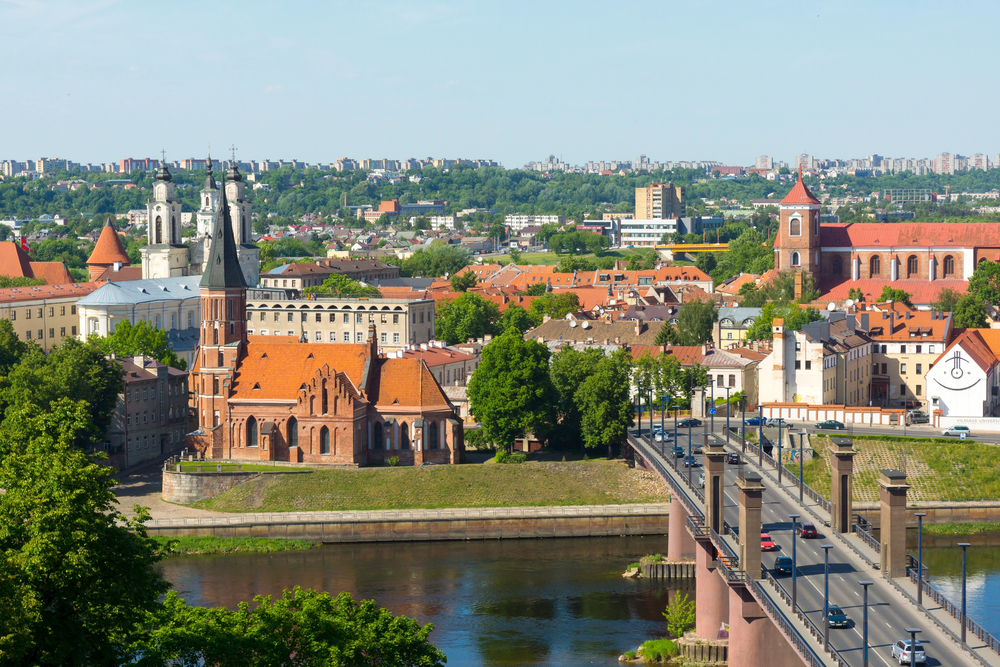

Friends often ask me why I moved to Lithuania. Two years ago, I reached a point where my daily routine felt completely hollow. I was working long hours in a crowded city, feeling burnout every single Sunday night. I didn’t just need a vacation; I required a total reset. I wanted a European city that was green, manageable in size, and calm enough to let me hear myself think.
That search eventually led me to moving to Lithuania. It wasn’t the most obvious choice on paper, but it proved to be exactly the clean slate I was looking for.
Why Lithuania Felt Like the Right Choice
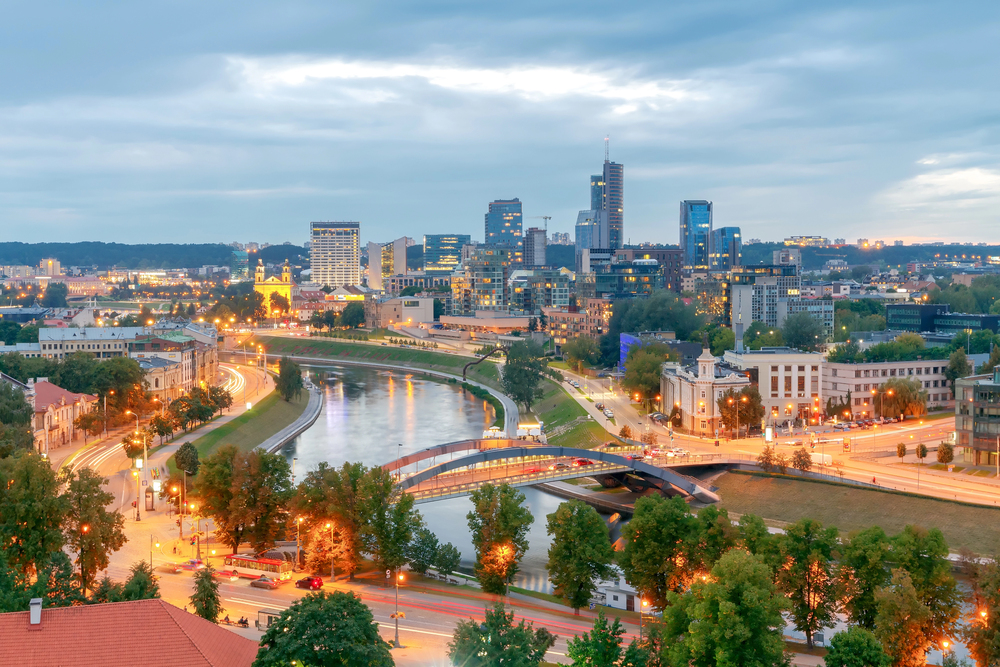
Vilnius felt walkable on a first visit. English showed up in offices and cafés. The cost of living in Lithuania looked lower than the last place I priced out. But I will not pretend it is the cheapest corner of Europe.
Is Lithuania a good place to live? The answer to this fully depends on your personal requirements and wishes. For me the main thing was living in Vilnius without vanishing in a crowd.
Preparing for My Move to Lithuania
Finding Work and Understanding Residence Rules
I started looking for jobs in Lithuania for foreigners online around four months before my target move date. Securing an offer from an IT firm was my baseline step, but legal requirements depend heavily on your citizenship.
Non-EU citizens generally need an employer-sponsored work status or qualification for an EU Blue Card before applying for a temporary Lithuania residence permit issued through the Migration Department (MIGRIS).
Planning the First Months
I saved roughly €3,500 to cover my first two months of rent, security deposits, and basic setup costs while navigating bureaucratic formalities. What you need to know before moving to Lithuania: winter days are short and grey, and offices still want originals, not a photo on your phones.
Starting a New Life in Lithuania
Finding a Home and Handling Everyday Essentials
Moving to Vilnius housing was the first grind. Listings vanished overnight. I took a small flat further from the old town and stopped chasing perfection. Registration, a local phone number, and a bank appointment took about two weeks. In the first period I was able to afford paying for housing and heating, plus a modest grocery run. It was not a luxurious life, but I did not feel myself in crisis either.
Adjusting to Life and Work
Working in Lithuania felt direct. Meetings were short, colleagues always switched to the language that was comfortable for me when I had issues. Is English enough to live in Lithuania? At work it is often enough. At the clinic and the post office you should already know at least a few local phrases. Expat life in Lithuania got less lonely after I joined a running group instead of waiting for invitations.
The Challenges I Did Not Expect
Paperwork bounced once because a translation was missing a stamp. So I needed to correct it and resubmit my application. Making friends took longer than finding the job. Sundays were quiet in a way that felt empty until I learned to cook and call home on a schedule.
A short list of things I wish I prepared in advance:
- signed work contract before relocating to Lithuania;
- short-term room with a real address;
- translated copies of diplomas and a spare passport photo;
- very warm winter coat.
What Made Lithuania Feel Like Home
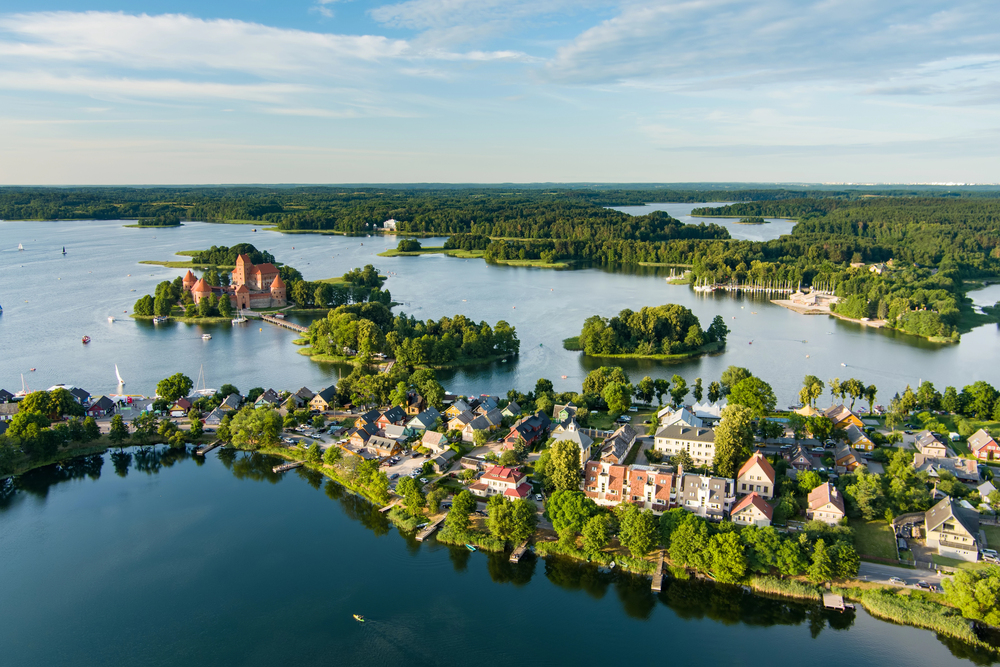
What is it like living in Lithuania after six months? I knew which bakery opened early. I stopped converting every price to my local currency. I was making progress at my workplace and I found new friends. That is how living in Lithuania stopped feeling temporary.
Looking Ahead to a Long-Term Future
Starting a new life gave me space to breathe. Building a long-term path here requires renewing my residence permit in Lithuania periodically and maintaining steady employment. It’s a grounded, stable place to build a career while maintaining a healthy personal activities.
What I Would Tell Someone Planning the Same Move
If I were starting life in Lithuania again, I would lock in a signed job contract before I packed a suitcase. That one paper would make the residence paperwork feel like a process instead of a gamble. I would also keep a winter buffer: from December to February the heating bill jumps, and it stung the first year. And I would learn several simple phrases in Lithuanian on the plane. They are small, but people notice.