
A few years ago, I was at a crossroads in my life. The country I grew up in felt ever more unstable, and I kept wondering what the future would bring — not only for me, but for opportunities that wouldn’t exist if I hadn’t made them. After extensive research I made the leap of faith and moved to Germany. What began as an exploration for normalcy ended with one of the most fulfilling experiences in my life, obtaining German citizenship and eventually receiving my German passport.
Moving to Germany and First Challenges
I did not anticipate how challenging moving to Germany would actually be. The excitement in the weeks ahead gave way to reality: unknown bureaucracy, a new tongue and cultural difference that were less pronounced but no less powerful. Everything was different — the way people lined up at the supermarket to the fabulous public transport system that would actually run on time.
My initial most important obstacle was finding housing. The rental market in major cities is competitive, and I spent weeks looking at apartments before landing a tiny unit in a quiet neighborhood. I learned to navigate everyday life, from opening a bank account to registering my address with the local Bürgeramt, which quickly taught me patience. But even from day 1 I knew I was and am doing the right thing, and the best is yet to come.
Securing a Residence Permit and Legal Stay
In order to stay in Germany for a long time I needed to comply with the residency requirements. Since I came with a job offer, I applied for an EU Blue Card, which is intended for highly qualified workers. The process involved submitting my university diplomas, employment contract, and proof of health insurance. Within 10 weeks, I received my residence permit, valid for several years.
It gave me the right to live and work in the country while I worked toward something bigger. Due to my Blue Card, I upgraded to a permanent residence permit in less than two years. Since if you acquire this card, and your German language knowledge is at least B1 you can do it within a 21 month range. Otherwise it can take up to 5 years.
This step brought more security and opened the door to thinking seriously about German citizenship.
Building a Life in Germany
Life in Germany was difficult at first, but it became more than just a move over time — it became home. I attended an integration course, which merged German language lessons with practical insight into society, laws and daily life. I was put through my paces in classes, but they were enough to bring me from simple conversation towards confident discourse amongst work colleagues and the people near our apartment.
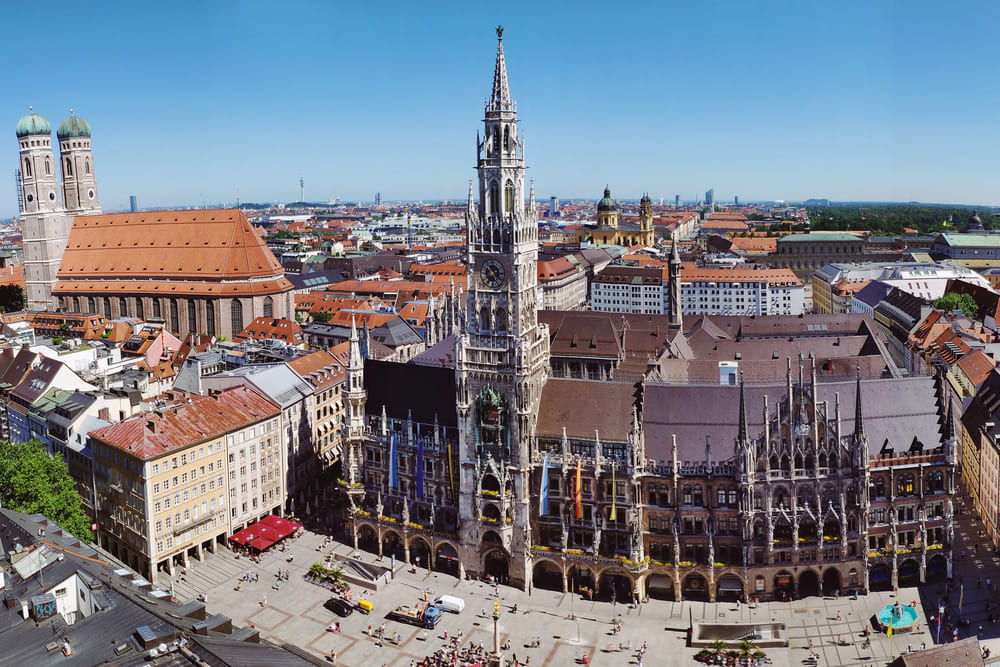
I made friends from all walks of life, joined a local sports team and even started to volunteer at weekends. These experiences grounded my connection to the country. The work kept me on my toes and challenged me to grow, and the weekends; whether hiking peaks in the Bavarian Alps or exploring new cities like Munich, they reminded me of why I chose Germany.
Meeting the Requirements for German Citizenship
After several years of continuous legal residence, I decided it was time to pursue German citizenship through naturalization. The main requirements in 2026 include at least five years of legal stay (or three years in the case of marriage to a German citizen, though that didn’t apply to me), financial self-sufficiency, and a clean criminal record.
The biggest personal milestones were proving B1-level German proficiency and passing the citizenship test (known as the Einbürgerungstest). I studied the “Life in Germany” material, which covers history, politics, society, and values. The test consists of 33 questions, and you need at least 17 correct answers. Thanks to the integration course and consistent practice, I passed on my first attempt.
I also had to show that I could support myself without relying on social benefits and that I was committed to the country’s democratic principles.
The Naturalization Process in Germany
The actual application process started at my local naturalization authority (Einbürgerungsbehörde). I gathered a substantial set of documents required: my passport, residence permit, birth certificate (with certified translation), proof of income, German language test certificate, and the citizenship test result.
After submitting everything, there was an interview where officials reviewed my integration into society. The waiting period felt long — several months of back-and-forth and additional clarifications. But finally, I received the approval notice. The citizenship acquisition ceremony was simple yet meaningful: I stood with others, pledged loyalty to the German constitution, and received my naturalization certificate.
Germany generally allows dual citizenship in many cases now, which made the decision even easier for me.
Getting My German Passport and Final Steps
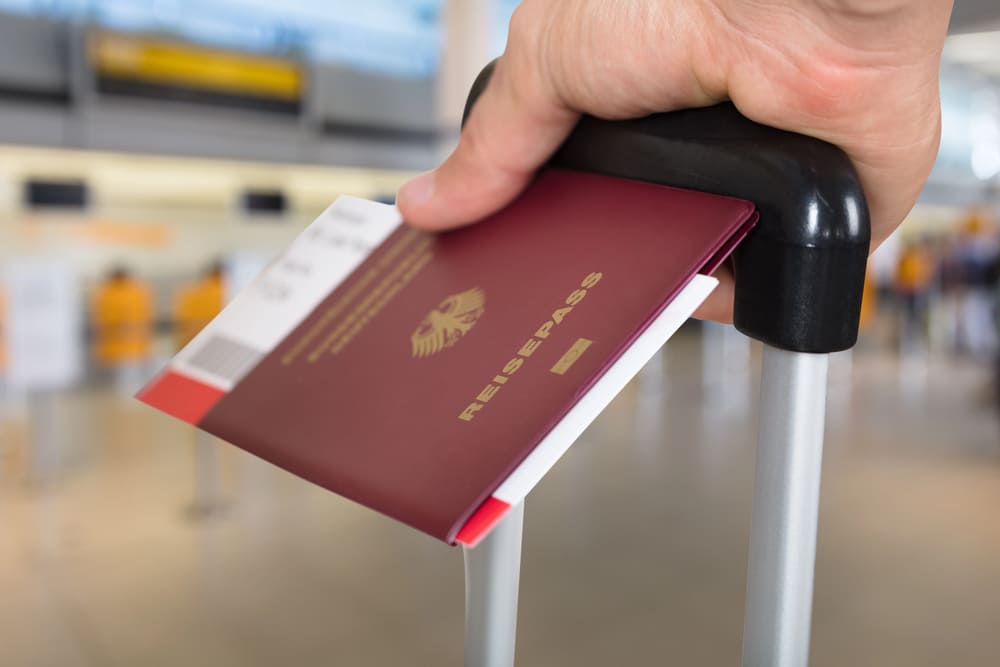
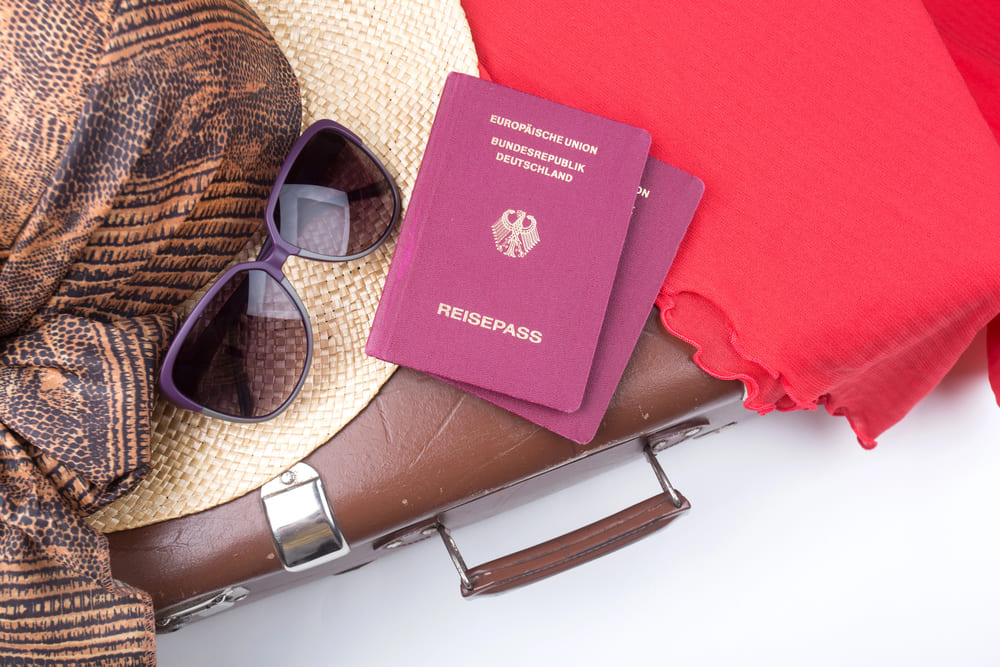
With the naturalization certificate in hand, the last step was applying for a German passport. After all the bureaucracy, on the final step the approval process was surprisingly fast. I booked an appointment at the government’s office, brought the required photos and submitted an application form. A few weeks later I collected the burgundy-red passport with the federal eagle on the cover.
Holding my German passport for the first time felt victorious. It represented years of effort, adaptation, and growth and gave me all EU passport benefits: visa-free travel to nearly 200 countries, the freedom to live and work anywhere in the European Union, and a strong sense of belonging.
Today, I still live here but very much differently. The difficulties of the early years have evolved into gratitude for a stable, orderly society that emphasizes education and work-life balance and values community.
In short, if you’re considering a move to Germany and applying for German citizenship at some point in the near future, I’d say go ahead; but motivate yourself with a tangible plan of action as soon as possible: take your time familiarizing yourself with the language and local customs early on; make sure collect detailed records of your legal residence; and finally be patient about the bureaucratic wheels that will have to turn. The end process is a test of your commitment to the country, but the results of having a German passport and full rights in one of European best performing economies are more than worth it.