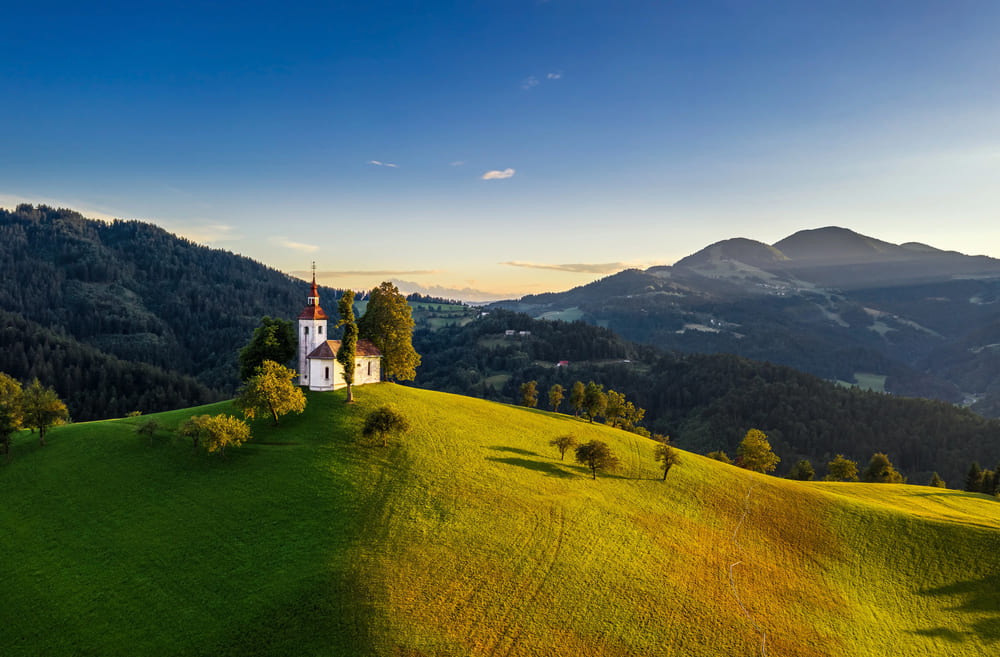

I had always known that part of my family came from Slovenia, but for most of my life it was simply a fact from our family history. There were old surnames, a few documents kept by relatives and stories passed from one generation to another. I never thought that this connection could have a practical meaning for me.
That changed when I began researching my ancestry more seriously. I discovered that my family connection could potentially provide a legitimate basis for obtaining Slovenian citizenship. From that moment, the main question was no longer whether I had Slovenian roots, but whether I could prove them through official records.
Proving My Connection to Slovenia
The first thing I learned was that family stories are not enough. Every generation connecting me to my Slovenian ancestor had to be supported by documents.
I started with birth and marriage certificates that my family already had. After that, I began searching for missing records through repositories and civil registries. The hardest part was not simply finding documents but making sure they formed one consistent line.
I created a family tree and matched every important relationship with an official document. That made the process much easier to understand. Instead of collecting papers randomly, I knew exactly which record was needed and why. Slowly, our family history turned into a documented case.
Understanding How to Get Slovenian Citizenship
Once my ancestry had been established, I needed to understand how to get Slovenian citizenship through that family connection. There was plenty of information online, but much of it was contradictory. Some sources made the procedure sound almost automatic, while others confused citizenship with residence or simply obtaining an EU passport.
My situation depended on proving a genuine connection to Slovenia through my ancestors. Before filing anything, I had my documents reviewed professionally. The available records were checked, the family line was reconstructed and the missing documents were identified.
This step was especially useful because it showed me which records actually mattered.
Checking Who I Could Trust
Choosing who would assist me with the process required almost as much attention as collecting the documents. I read Slovenian citizenship reviews and focused mainly on practical experiences: how documents were found, whether applicants understood what was being submitted, how missing records were handled and what happened after filing.
I also became cautious about companies promising passports without clearly explaining the citizenship procedure behind them. A Slovenian passport scam often becomes easier to recognize when someone presents the passport itself as something that can simply be arranged or purchased. The document comes after citizenship has been obtained by the applicant.
The same applied to Slovenian citizenship fraud involving fabricated ancestry or altered documents. I had a real family connection, so there was no reason to risk the entire case through questionable shortcuts. For me, transparency became the main criterion. I wanted to understand the basis of my application and know where every document came from.
Preparing the Application
Document preparation took the most effort. Along with my own civil and identity documents, I needed records proving the direct family connection to Slovenia. Some had to be obtained from archives, while others required translation, certification or clarification because of differences between older records.
I also prepared the application, personal information and supporting documents required for submission. The most important part was consistency. A birth certificate connected one generation to another. A marriage record explained a surname change. An archival record established the Slovenian connection behind the application.
Individually, these papers looked ordinary. Together, they created the evidence needed to support my case. Once the complete file had been checked, the citizenship application was submitted to the competent authority.
Waiting for the Decision
After months of actively searching for documents, the waiting period felt strange. Until then, I could always do something: request another certificate, arrange a translation or resolve an inconsistency. Once the application was under review, most of the process was outside my control.
My representatives handled communication connected with the file and informed me when additional action was required. During that period, I also worked on my Slovenian. Learning the language made sense to me beyond the formal requirements. If I was seeking citizenship through my family connection, I wanted Slovenia to be something more than a country mentioned in old documents.
Eventually, I received confirmation that the case had progressed and that I needed to travel to Slovenia for the final stage.
Becoming a Slovenian Citizen
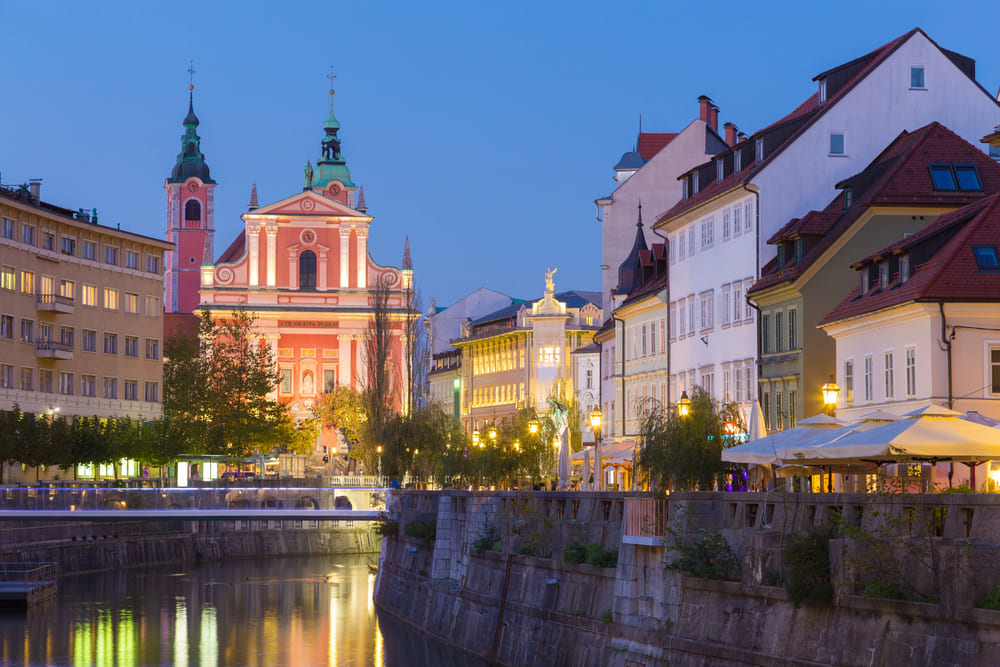
Going to Ljubljana changed the feeling of the entire process. For months, Slovenia had existed for me through certificates, archive records and applications. Being there made everything much more tangible.
I arrived prepared for the required formalities and the oath ceremony. The most important moment was not receiving a passport. It was being formally recognized as a Slovenian citizen. After so much time spent proving the connection between my family and Slovenia, the citizenship certificate felt like the real end of the application process. Everything that followed was about documenting a status I had already obtained.
Receiving My Slovenian Passport
After citizenship recognition, I could proceed with Slovenian civil and identity documents. Compared with establishing ancestry and preparing the citizenship case, this stage was much more straightforward. I registered the necessary personal records and later applied for my ID documents and Slovenian passport.
Receiving the passport was still a significant moment. It represented months of research, archive requests, document preparation and waiting. But by then I understood that the passport itself was only the visible result of a much longer process. The real achievement had been proving that a family connection stretching across generations could still become part of my life today.
More Than a Family Story
When I started researching my Slovenian roots, I was mainly trying to understand whether old family records could lead anywhere. They did.
The process required far more than discovering a Slovenian ancestor. The connection had to be reconstructed carefully, supported with reliable documents and presented through a legitimate citizenship procedure.
That distinction mattered throughout the entire journey. I was not looking for a way to obtain an EU passport at any cost. I was establishing a connection that already existed in my family’s history and proving that connection properly.
The result gave me the practical advantages of Slovenian and EU citizenship, but it also changed the way I looked at my own ancestry. What had once belonged only to previous generations became part of my present. That is ultimately what obtaining Slovenian citizenship meant to me.