
A few years ago, I realized that I can not stay in the place I was and started to look for new opportunities to move. I explored several immigration options and one of the first things I did was participate in the Green Card lottery.
While waiting for the results, I continued researching different destinations. That’s when I started paying closer attention to the Netherlands. The more I learned about the country, the more appealing it became. Strong job prospects, excellent infrastructure, a high quality of life, and widespread English proficiency all stood out.
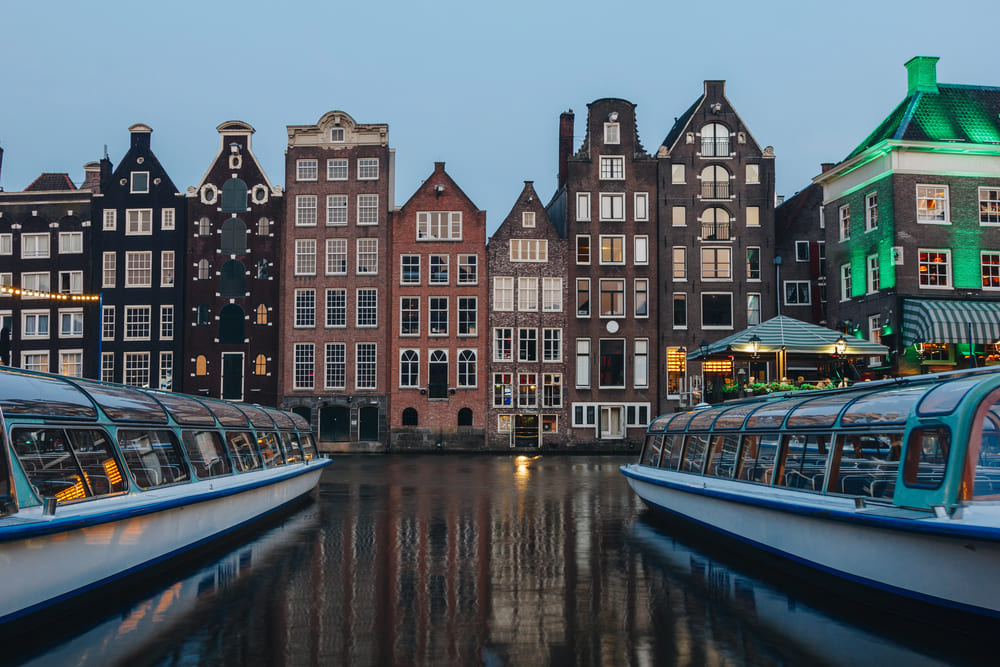
Eventually, I realized I didn’t want to leave my future entirely up to chance. Instead of waiting for a lottery win, I began planning a different path. A year later, I had officially relocated to Amsterdam.
Why Amsterdam Became My Next Step
There were plenty of reasons why Amsterdam caught my attention. First of all, the city is an international melting pot that’s hard to find elsewhere. Second of all, the job market looked promising. Many international companies have offices in Amsterdam, particularly in technology, finance, marketing, and logistics.
But most importantly, the move felt realistic. Compared to some immigration routes, the Dutch system seemed transparent and well organized. That gave me confidence to move forward.
Planning the Move Before Leaving Home
If you consider moving to Amsterdam then you should plan ahead for each of your steps. That will save you lots of time and stress later. I spent several months researching immigration requirements, housing options, healthcare rules, and banking procedures.
I created a detailed spreadsheet with deadlines, estimated expenses, and required documents and the costs added up quickly. To relocate to Amsterdam comfortably, I aimed to have €8,000–12,000 saved before departure, depending on whether you’re coming alone or with family.
Here’s where the money actually went before I even landed:
- Flights and initial travel: €450–700
- Temporary accommodation (first 4–6 weeks in an Airbnb or short-term rental): €2,500–4,000
- Security deposit and first month’s rent for a proper apartment: €3,500–5,000 (Amsterdam landlords usually want 1–2 months upfront)
- Health insurance for the first few months: €500–600
- Visa/residence permit fees, apostilles, translations, and other paperwork: €800–1,500
- Basic furniture, household items, and transport card: €700–1,000
One thing I learned early was that administrative procedures in the Netherlands work smoothly when you arrive prepared. Missing documents, however, can create delays that affect multiple steps of the process.
Finding Housing and Preparing My Documents
Finding accommodation turned out to be one of the most challenging parts of the move since the Amsterdam housing market is famously competitive. Apartments often receive dozens of inquiries within hours of being listed.
For several weeks, I checked property websites everyday and eventually, I secured a small apartment through a relocation agency. The signed rental contract became one of the key documents for the next stages of the process.
The Paperwork I Had to Organize First
Before departure, I assembled a folder containing every paper I thought I might need. My checklist included:
- Passport
- Birth certificate
- Rental contract
- Employment documents
- Health insurance information
- Bank statements
- Passport photos
- Copies of previous visas
- Immigration forms
The most important item was my application for a Dutch residence permit.
Registration, BSN, and the First Official Steps
The first week after arrival I had multiple appointments scheduled, including visits to the local municipality and immigration offices. One of the first requirements was city registration.
In the Netherlands, registering your address with the municipality is an essential step for anyone planning a long-term stay in the country. During my municipal registration appointment, I received my BSN, or Citizen Service Number.
Getting it was a major milestone because the document is used for numerous everyday activities, including:
- Opening a bank account
- Starting employment
- Arranging healthcare
- Managing taxes
- Accessing government services
Shortly after getting my BSN, I attended another arrival appointment connected to my residence permit process. The officials were professional and efficient. The entire experience felt structured, which helped reduce some of the stress that naturally comes with moving abroad.
Completing my city registration and obtaining my residence documents made everything feel more real.
Getting Used to Life in Amsterdam
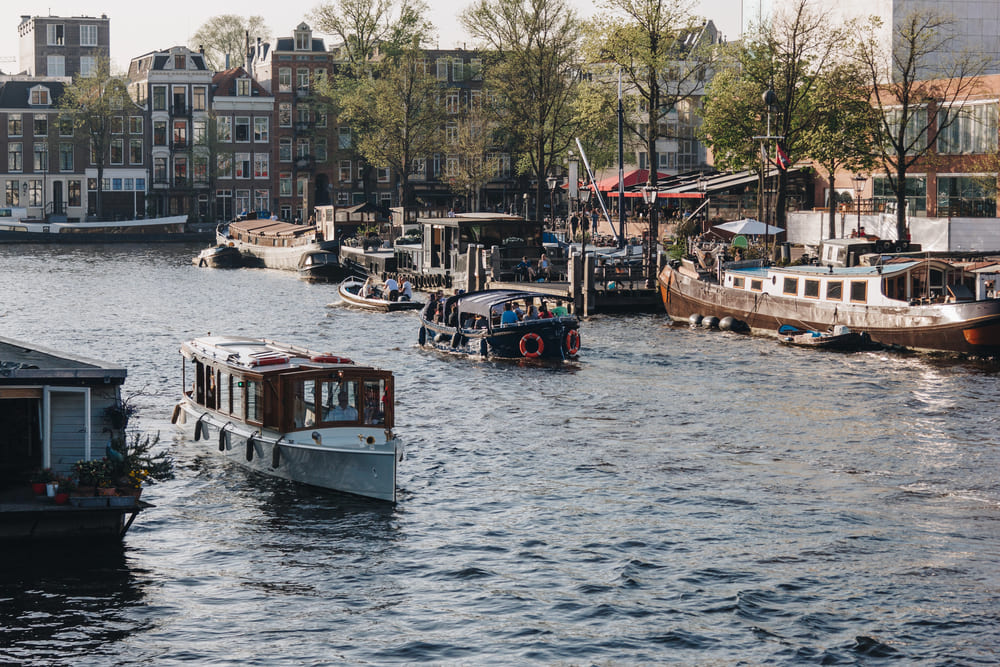
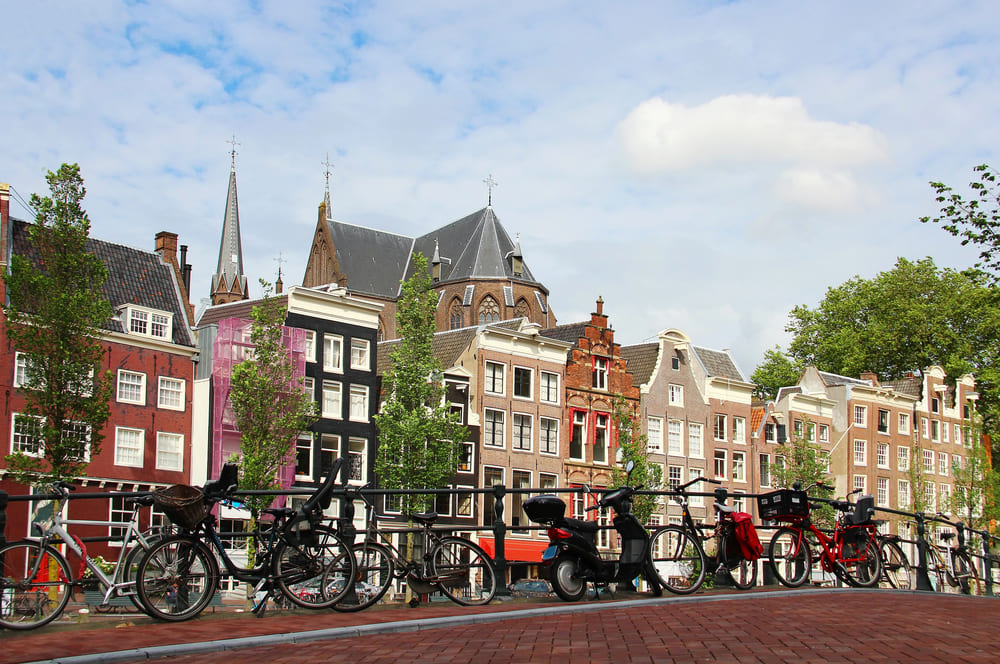
Once the paperwork was under control, I had to adjust to daily life. Like many people who have relocated to Amsterdam, I immediately noticed how important bicycles are. Within days, I bought a used bike and started learning how to navigate the city’s busy cycling lanes.
I also purchased a public transport card, which made it easy to travel throughout Amsterdam and surrounding areas. Building a social circle takes time. Understanding local customs requires patience. Even small tasks can feel complicated during the first few months of a new life abroad.
A few months after arrival, life became much more predictable. I had completed my municipal registration, secured my residence permit, arranged health insurance, and established a regular work schedule. The combination of legal documentation and professional stability made a huge difference.
The more time I spent in the Netherlands, the more comfortable I became. Familiar coffee shops, favorite cycling routes, and weekend trips to nearby cities slowly transformed the unfamiliar into something that felt like home.
Looking back, I can confidently say that moving to Amsterdam was one of the biggest decisions of my life. It wasn’t always easy, but every challenge taught me something valuable.
Today, when people ask about my experience after I relocated to Amsterdam, I tell them that preparation matters just as much as courage.
Final Thoughts: What Made the Relocation Easier
If you are planning to follow a similar path, keep these two realities in mind:
- You should separate your expectations from reality when it comes to the housing search. Be flexible on neighborhoods since the areas that are slightly outside the central canal ring, like Amsterdam-Noord or Amsterdam-Oost, can offer much cheaper prices and friendly communities.
- You need to embrace the local financial ecosystem early. Get a Dutch debit card immediately, as many local supermarkets and cafes do not accept standard international credit cards.
Relocating is rarely easy, and it always demands a high tolerance for ambiguity and paperwork. However, the moment you cycle home across a quiet, lit-up canal bridge at dusk, you realize every single form, fee, and stressful appointment was entirely worth it.