
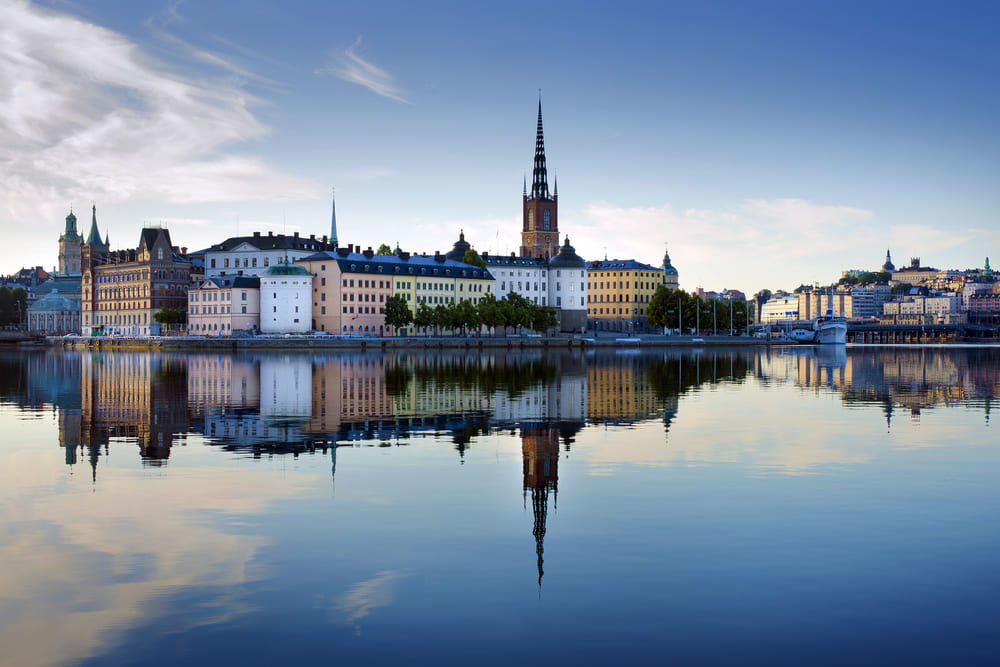

Moving to Sweden felt quieter than I expected. The thing is that the country doesn`t try to pretend what it is not. The first weeks were a mix of efficient systems and long stretches of personal space that took some getting used to. Trains always ran on time, parks were never far and almost nobody made small talk in the queue for the supermarket checkout.
Here I`ll share my experience of how the daily life in Sweden for foreigners actually feels like, from finding yourself in a completely new social surroundings to understanding unwritten rules of a new job.
My First Impressions of Life in Sweden
The pace settled in faster than I thought it would. Mornings started early but without rush and public transport was so reliable that I stopped building in large time buffers. Everyday routines felt stripped back: shops closed earlier, people left work when the day ended, and weekends were the time for recovery rather than planning how to do all the house chores.
One small surprise came in the first month. I held a door for someone behind me and received a brief “tack,” then nothing else. It wasn’t rudeness, it was simply a different idea of how much interaction a moment needed.
Work-Life Balance in Sweden
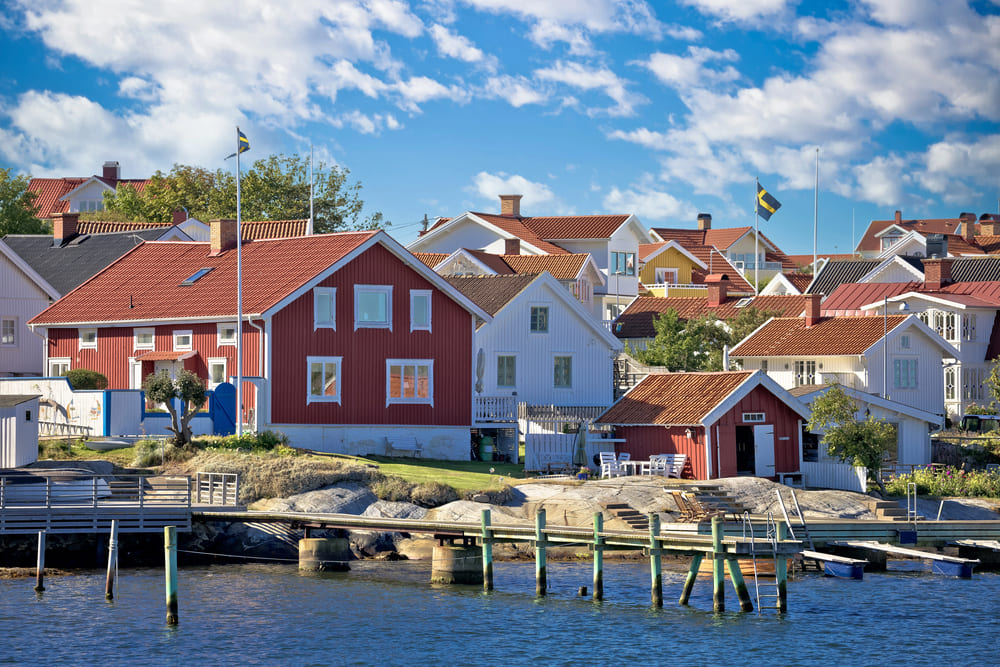
Work-life balance in Sweden is perfectly settled since office hours are generally respected. Most people leave when their contracted time ends, and staying late is not treated as a sign of commitment. Many workplaces allow adjusted hours or remote days when the job allows it. Fika, the coffee break that is closer to a short social pause than a quick caffeine stop, happens regularly. Outdoor time is built into the culture rather than treated as a reward for finishing everything else. Lagom, the idea of “just enough,” shows up in how people talk about ambition and rest.
Adjusting to Swedish Work Culture
In Swedish work hierarchy titles matter less than clear communication and reliability. Meetings start on time, and arriving late is noticed. You are trusted to manage your tasks independently and without constant control, but you are also expected to flag problems early rather than solve everything alone.
I adjusted by learning to prepare more before speaking and to treat silence in a meeting as thinking time rather than disagreement. Once I stopped filling every pause, the conversations became easier to follow and less draining.
Making Friends in Sweden
It’s no secret that making friends in Sweden requires patience. Building a social circle takes longer than in many other places. Practical routes for finding new people to communicate with include:
- joining a sports club or hobby group that meets regularly;
- attending language courses where the same people return each week;
- taking part in workplace social events when they happen;
- volunteering with a local organisation;
- joining a community association or interest club;
- showing up to neighbourhood or seasonal events.
Learning Swedish
While English is widely spoken and enough for basic practical needs (shops, appointments, work), learning Swedish transforms your experience:
- Eases informal communication.
- Provides direct cultural access.
- Eliminates translation fatigue.
- Boosts personal confidence.
But progress is uneven. Some days the language feels approachable, while other days a fast conversation still slips past. Both are normal.
Building a Life Outside Work
Routines helped more than any single big decision. Regular walks in the same park, a weekly hobby session, and knowing the faces in the local shop created a quiet map of the area.
One ordinary moment stood out. After several months I recognised the same couple at the neighbourhood café and exchanged a short greeting without thinking about it. Nothing dramatic followed, but the automatic recognition felt like a small shift from visitor to someone who belonged in that corner of the city.
When Sweden Started to Feel Like Home
No country is perfect, and expat life in Sweden has its challenges. Language improved enough that I stopped planning every sentence. A few relationships moved past polite acquaintances. Daily routes no longer required conscious navigation. Confidence grew from handling ordinary tasks without translation or extra explanation. The place no longer felt like somewhere I was staying and it felt like somewhere I was living.
Living in Sweden as a foreigner involves real trade-offs. The systems work well, and the balance between work and personal time is genuine.
FAQ
Is Sweden a good country for expats?
It works well for many people who value predictable systems, access to nature, and clear boundaries around work. Challenges around social integration and language are common, so the fit depends on how much effort someone is willing to put into both.
Is it difficult to make friends in Sweden?
It often takes longer than expected. People are generally polite, but deeper connections usually form through repeated shared activities rather than quick introductions.
Can you live in Sweden speaking only English?
English covers shops, many jobs, and official processes. Swedish becomes more important for local friendships, fuller workplace participation, and feeling less like an outsider over time.
What is work-life balance like in Sweden?
Working hours are generally respected, and overtime is not the norm. Flexibility exists in many roles, and personal time is treated as legitimate. The culture supports recovery and outdoor activity rather than constant availability.
How long does it take to adapt to life in Sweden?
Most people describe the first months as functional but slightly detached. A clearer sense of belonging often appears after six to eighteen months, once language, routines, and a small social circle have had time to develop.
Is Swedish necessary for living in Sweden?
Not for basic survival in larger cities. It becomes useful, and eventually important, for deeper social connections, certain jobs, and everyday confidence. Many long-term residents learn it gradually rather than all at once.