

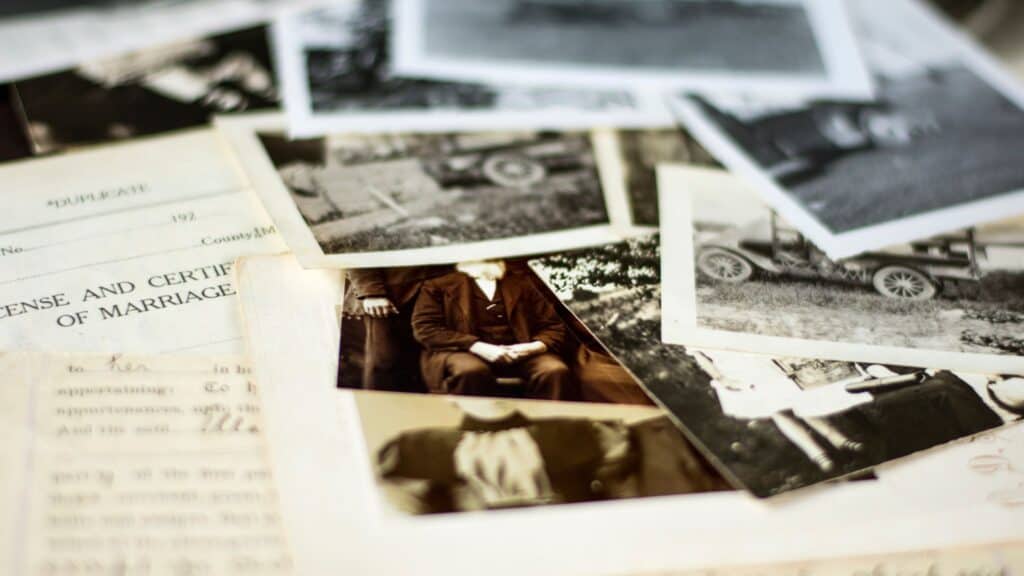
Everything started with an old dusty box that was waiting in the grandfather’s attic for decades. I was helping my mom clear out old things when I pulled out a stack of yellowed papers and faded photographs. Among those papers I found one that had my grandad’s name … and it was a birth certificate from a small town in Toskana region dated 1892. That single document sparked a journey I never expected — the journey to Italian citizenship by descent.
Discovering My Italian Ancestry
Our family rarely talked about roots for many years. We knew we had some Italian heritage, but it felt so distant — just a few recipes and occasional stories about “Nonno” who moved out of Italy for the search of new life in the early 1900s. That day in the attic changed everything and I started to dig deeper.
Hours turned into weekends spent on genealogy websites, checking old passenger lists, and cross-referencing names. I learned that my great-grandfather left Italy at 22 and never returned. He found his new home, he met my grandma and his memories of his homeland started to faint with each day. The more I uncovered, the more I realized this wasn’t just history — it was my ancestry, my heritage, and potentially my future as well.
I joined online groups for people tracing Italian lineage and slowly pieced together the family tree. What began as curiosity became a real possibility: Italian citizenship by descent.
Collecting the Required Documents
Gathering the required documents proved to be the most time-consuming and challenging part of the entire process. I needed to build and prove an unbroken line of citizenship from my Italian great-grandfather all the way down to myself.
These are the key documents I had to collect:
- My great-grandfather’s original birth certificate, requested directly from the Italian comune in Toskana.
- His marriage certificate issued by the local authorities.
- Complete birth, marriage, and death certificates for every person in the direct line, including my grandparents and parents.
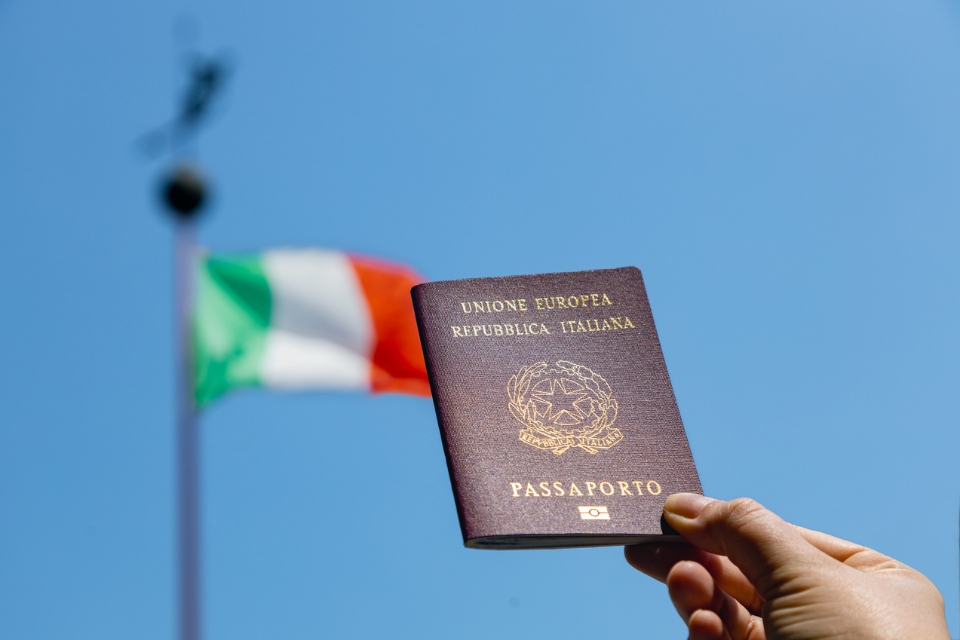
In addition to these ancestral records, I also had to prepare my own personal documents, such as a valid passport, my birth certificate, marriage license, police clearance certificate, and medical examination results.
Many of these records were not easy to obtain. Some were buried in old municipal registries in small Italian towns, while others required multiple requests to local civil offices, long waiting periods, and official apostilles.
Getting the papers didn’t take much time, getting the confirmations from Italia required months of waiting and multiple requests. I had to get apostilles on local documents and certified translations for everything. Old handwritten Italian records were sometimes hard to read, but each new certificate felt like another piece of the puzzle falling into place.
Another important step was verification. Some certificates needed official translations and legalization before they could be used in an immigration or citizenship procedure.
There were moments of frustration — missing records, bureaucratic delays, and the constant fear that one broken link would end the process. But with patience and help from specialized services, the stack of verified records grew.
Submitting the Application
Once I finally gathered all the necessary documents I needed, I submitted my application at the Italian consulate. It was far from a fast process, it took several months from booking an appointment and actually coming to the meeting and presenting everything in person.
The consulate staff carefully reviewed my entire lineage, verifying that my Italian ancestor had not renounced citizenship and that the chain remained intact. It was nerve-wracking, but after several follow-ups and additional clarifications, my application moved forward.
Receiving My Italian Citizenship
The moment I finally received confirmation of my Italian citizenship by descent is something I will never forget. It felt so unreal on the day when I got my approval letter! After more than two years of research, waiting, and paperwork, I finally held the recognition of my Italian heritage. And a few months later, I received my long-waited Italian passport.
Probably the most meaningful part of the experience was discovering my own family history. What started as a simple search through old papers became a journey into my past and identity. It was a recognition of my family’s journey and a new chapter for myself.
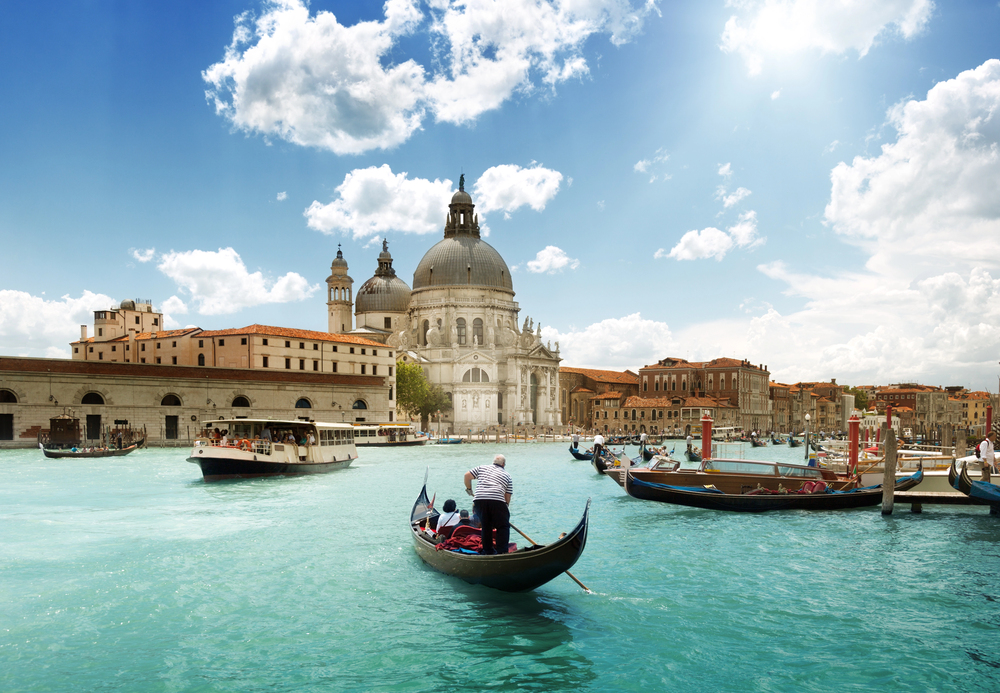
This Italian passport opened the doors I had only dreamed of: the freedom to live and work anywhere in the European Union, easier travel, and a deeper connection to my roots. I’ve already visited Italy twice, walking the streets where my family once lived.
My Advice for Applicants
If you are considering applying for Italian citizenship by descent, my main advice is to be patient and thorough. You should start early and stay organized. Build your family tree carefully and double-check every link. Don’t hesitate to seek professional help for complicated records or translations — it saves time and reduces stress.
Be patient. The process can take 1–3 years depending on your consulate’s workload. Keep copies of everything and track deadlines. Make sure that each document passes proper verification and prepare for a waiting period after submitting the application.
Most importantly, remember why you’re doing it, treat the process as more than just paperwork. Beyond the practical benefits of an EU passport, this journey reconnects you with your heritage and ancestry. It turns distant stories into something tangible.
My own experience showed me that Italian citizenship by descent is more than paperwork — it’s about honoring where you come from while opening new possibilities for the future. If you believe you have Italian roots, even if you’re not entirely sure, don’t hesitate to start. With patience and persistence, you may be amazed at where this path can take you.